
Why Getting Dirty is Good for Children: The Importance of Sensory Play at Field and Study Montessori Preschool
As adults, our first instinct is often to keep children clean. We wipe sticky hands, brush off muddy knees, and sometimes hesitate when we see a child enthusiastically mixing mud, water, sand, and leaves together.
Yet for young children, getting dirty is not just fun – it is an essential part of learning.
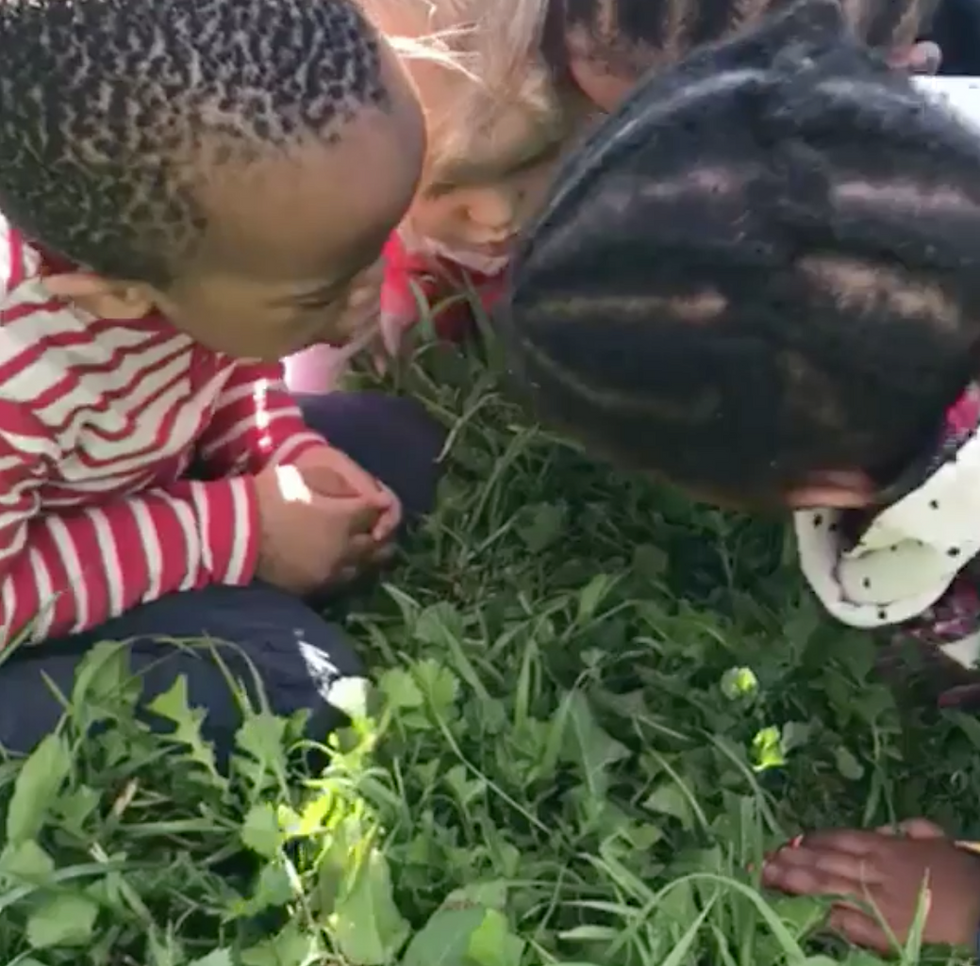
At Field and Study Montessori Preschool, sensory play forms an important part of our daily programme. Whether children are creating imaginative recipes in our mud kitchen, exploring one of our carefully prepared sensory trays, or investigating the textures, colours, and materials found in nature, they are actively learning through their senses.

Young children learn about the world by touching, feeling, smelling, listening, observing, and experiencing. Long before they can understand complex explanations, they are gathering information through their senses. This is why sensory play is such a powerful learning tool during the early years.
Every day, our children are offered opportunities to explore a variety of sensory experiences. Our sensory trays may contain coloured rice, pasta, sand, water beads, natural materials, scooping activities, pouring activities, and loose parts that encourage exploration and creativity. These invitations to play spark curiosity and encourage children to investigate, discover, and experiment.
One of the most popular areas in our outdoor environment is our mud kitchen.
To an adult, it may look like children are simply making mud pies and muddy soup. In reality, something far more meaningful is taking place.
As children mix, pour, stir, scoop, measure, and create, they are developing important skills that support future learning. They are strengthening the small muscles in their hands, improving hand-eye coordination, learning about quantities and cause-and-effect relationships, and developing problem-solving skills. They are also expanding their vocabulary as they describe textures, colours, and their imaginative creations.
The mud kitchen is a place where creativity flourishes. One child may be running a pretend restaurant, another may be making a birthday cake, while a third carefully mixes ingredients to create a magical potion. Through imaginative play, children develop language skills, social skills, confidence, and creativity.
Perhaps most importantly, sensory play allows children to experience the joy of being fully present in the moment.
In today's busy world, children are often exposed to screens, structured activities, and constant stimulation. Sensory play offers something different. It allows children to slow down, focus, explore, and engage deeply with the world around them.
There is also growing evidence that exposure to natural environments, soil, mud, sand, and outdoor play can support children's overall wellbeing and help strengthen healthy immune systems. While we certainly encourage good hygiene practices, we also recognise that children benefit from meaningful interaction with the natural world.
At Field and Study Montessori Preschool, we embrace the philosophy that children learn best through hands-on experiences. We understand that some of the richest learning opportunities happen when little hands are covered in mud, water, paint, or sand.
The smiles, laughter, concentration, and excitement we see during sensory play remind us daily that childhood is meant to be explored through all the senses.
So the next time your child comes home with muddy shoes, sandy pockets, or traces of paint on their sleeves, know that beneath the mess lies meaningful learning.
Those muddy hands are building fine motor skills.
Those sensory experiences are developing brain connections.
Those moments of exploration are fostering creativity, confidence, and curiosity.
At Field and Study Montessori Preschool, we believe that childhood should be filled with opportunities to explore, discover, create, and yes—even get a little dirty along the way.
After all, some of the best learning happens when children roll up their sleeves and dive right in.

Comments